
How Au Pairs Support Summer Learning and Enrichment

Summer can be one of the most exciting times in the au pair program. With school out and children spending more time at home, daily routines often change. For au pairs, that means more opportunities to plan fun activities, spend quality time with host children, and support their learning in creative ways.
While summer is often a season of rest, travel, and outdoor fun, it can also be a great time to help children stay curious, engaged, and confident. As an au pair, you are not expected to become a teacher. But you can play an important role in helping host children learn through play, routine, conversation, and everyday experiences.
Summer also gives you more chances to build strong relationships with your host children. From library visits and craft projects to outdoor games and cultural activities, the time you spend together can be both meaningful and memorable. For many au pairs, summer becomes one of the most rewarding parts of the experience.
If you are thinking about becoming an au pair, this season offers a great example of how the program combines childcare, cultural exchange, and personal growth.

What Summer Can Look Like for an Au Pair
During the school year, many host children have structured schedules filled with school, homework, sports, and activities. In the summer, that schedule often becomes more flexible. Children may be home for longer parts of the day, and families may need more support with outings, daily routines, and keeping kids active and engaged.
For an au pair, this can mean helping with a wider variety of childcare activities throughout the day. You may help children get ready in the morning, prepare meals or snacks, plan games, take them to local parks or libraries, or organize simple learning activities at home. Some families may also ask for help with summer camps, playdates, or transportation to activities.
Because every host family is different, summer schedules can vary. Some families may want a lot of outdoor time and active play, while others may focus on reading, creative projects, or local educational outings. The most important thing is clear communication. When au pairs and host parents talk openly about expectations, routines, and goals for the summer, it becomes much easier to create a positive experience for everyone.
Summer can feel busy, but it can also be a time when au pairs become even more connected to the daily rhythm of family life.

Why Summer Is a Great Time to Build Stronger Bonds with Host Children
When children are out of school, au pairs often spend more relaxed and uninterrupted time with them. That extra time can help build trust, familiarity, and a stronger bond.
During the school year, much of family life can feel rushed. Mornings are busy, afternoons are structured, and evenings are often short. In summer, there is often more room for connection. You might spend a full afternoon building something creative, exploring a park, reading together, or teaching the children a game from your home country. These shared experiences help relationships grow naturally.
Children often respond especially well to routines and activities that feel fun instead of formal. When you show up with patience, creativity, and consistency, children begin to see you as a trusted part of their day. This is one of the most rewarding parts of being an au pair. You are not just helping with childcare. You are becoming a meaningful part of the family’s summer memories.
These stronger bonds also help children feel more comfortable learning with you. A child who feels safe and supported is often more willing to try new things, ask questions, and stay engaged in activities.
How Au Pairs Help Children Learn Through Everyday Activities
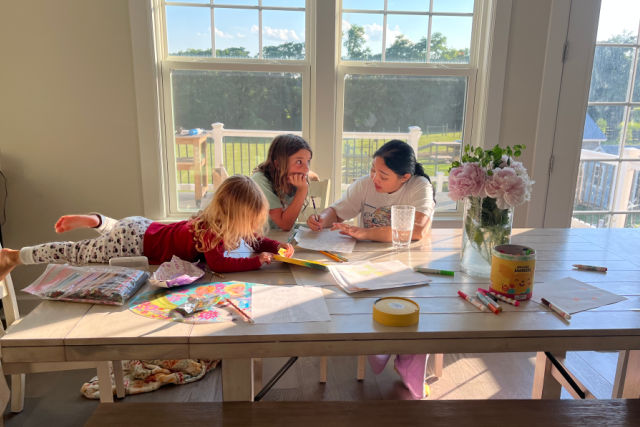
One of the best parts of summer childcare is that learning does not need to feel like school. In fact, many of the most valuable learning moments happen during ordinary daily activities.
Reading together is one simple way to support literacy. You can read books aloud, take turns reading pages, or ask questions about the story to help children think more deeply. A trip to the library can become an exciting routine that encourages children to discover books they enjoy.
Writing can also be part of daily life. Younger children might enjoy drawing and labeling pictures, while older children may like writing in a summer journal, making up stories, or sending postcards to relatives.
Math can appear in everyday moments too. Baking helps children practice measuring and fractions. Shopping can introduce counting, comparing prices, and budgeting. Board games can support problem-solving and number recognition.
Outdoor activities create opportunities for science and observation. A walk in the park can turn into a conversation about plants, insects, weather, or seasons. Collecting leaves, drawing flowers, or watching birds can all become fun ways to explore the world.
Even routines like cooking lunch, organizing toys, or planning the day can teach responsibility, sequencing, and independence. As an au pair, you can help children learn simply by staying engaged and turning everyday moments into interactive experiences.
How Cultural Exchange Makes Summer Even More Meaningful
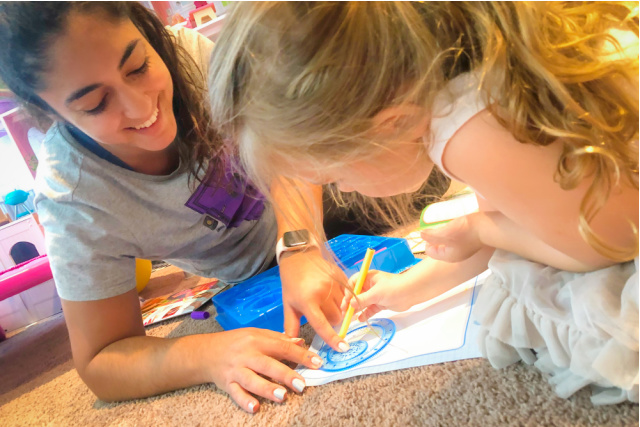
One of the most unique parts of being an au pair is the cultural exchange. Summer can be an especially good time to share your culture with host children because there is often more space in the schedule for creative activities, outings, and conversations.
You might teach the children a song from your country, cook a traditional meal together, or introduce them to a holiday, game, or custom that is meaningful to you. Even small moments, such as teaching new words in your language or talking about what summer is like where you grew up, can create memorable learning experiences.
These moments are valuable because they help children become more curious, open-minded, and interested in the world beyond their own daily environment. They also help families experience the true purpose of the au pair program, which is not only childcare, but cultural exchange.
For au pairs, sharing your culture can also make the experience feel more personal and rewarding. You are not only adapting to life in a new country. You are contributing something special from your own background and identity.
Summer often gives you more chances to do that in natural, enjoyable ways. A recipe, a game, a story, or a song can become a meaningful part of a child’s summer memories.
Skills Au Pairs Build During the Summer
Summer childcare can also help au pairs grow in important ways. Because routines may be more flexible and activity planning becomes more important, summer often builds skills that are valuable both inside and outside the program.
- Creativity is one of the biggest skills au pairs develop. Keeping children entertained and engaged requires fresh ideas, adaptability, and energy. You learn how to adjust plans, think quickly, and create fun from everyday situations.
- Organization also becomes important. Planning outings, preparing activities, managing transitions, and keeping track of children’s needs all help strengthen time management and planning skills.
- Communication grows as well. Summer often requires more coordination with host parents, especially around schedules, goals, and expectations. Clear communication helps avoid confusion and creates a smoother routine for everyone.
- Au pairs also build patience, leadership, and confidence. Supporting children throughout long summer days can be challenging at times, but it also teaches you how to guide activities, solve problems calmly, and create a positive environment.
These are valuable life and professional skills, and one of the biggest benefits of becoming an au pair is gaining the confidence, independence, and hands-on experience that can help prepare you for future opportunities.
Tips for Future Au Pairs to Prepare for Summer Childcare
If you are considering becoming an au pair, there are a few simple ways to prepare for summer childcare before you even arrive.
- Start collecting activity ideas that match different age groups. Save a list of simple games, crafts, reading activities, and outdoor ideas that do not require a lot of materials. It is helpful to have options for both indoor and outdoor days.
- Share your culture. Think about how you would like to share your culture with children. You could prepare a few songs, recipes, stories, or traditional games from your home country. These ideas can become a great part of your childcare routine and help make your experience unique.
- Practice flexibility. Children’s moods, weather, family plans, and schedules can change quickly in the summer. The ability to adjust your plans and stay positive will help a lot.
- Learn more about age-appropriate child development and activity planning. Even basic knowledge about what different age groups enjoy can make it easier to keep children engaged.
- You do not need to be perfect. What matters most is showing up with care, consistency, and a willingness to learn. Children respond well to au pairs who are enthusiastic, patient, and genuinely interested in spending time with them.
Ready to Start Your Au Pair Journey?
Summer is a great example of what makes the au pair experience so special. It combines childcare, creativity, cultural exchange, and relationship-building in a way that helps both au pairs and host families grow.
As an au pair, you can make a real difference in a child’s daily life during the summer months. Whether you are planning educational games, exploring the outdoors, reading together, or sharing your culture, your role can help create a season full of learning, connection, and fun.
If you are excited by the idea of supporting children, building meaningful relationships, and experiencing life in the United States through cultural exchange, becoming an au pair could be the right next step for you.
Learn more about the au pair program, review the qualifications, and take the next step toward your au pair journey.
Au Pair Participant


